

Thinking you can use.
Practical writing on brand, growth and technology — and on the connections between them, which is where most of the value hides. No trend-chasing, no filler; frameworks and honest trade-offs, written by the team that does the work.

How Do You Secure a Website You Did Not Build?
Inheriting a website means inheriting its access list, its unpatched dependencies and its undocumented code. Work in this order: know what you have, take the keys back, prove the backup restores.
Read
Native App, Web App, or Neither?
The native vs web app choice comes down to capability, distribution, update cost and discovery. On three of those four, most businesses asking for an app are better served by a better website.
Read
Local SEO for a Business With One Location and No Storefront
A service-area business is not a small shop with fewer photos. Proximity you cannot move, relevance you write, prominence you earn slowly, and the location page is where most of it is won or lost.
Read
Conversion Rate Optimisation When You Do Not Have the Traffic to Test
Most sites cannot run a valid A/B test and never will. That is not a reason to stop optimising: it is a reason to trade statistical proof for evidence you can gather, defend and reverse.
Read
Choosing a CMS: Twelve Questions That Separate the Shortlist
Feature matrices all agree. Vendors differ where it hurts, so ask the twelve questions in priority order and listen for the answer that should end the conversation before anyone signs.
Read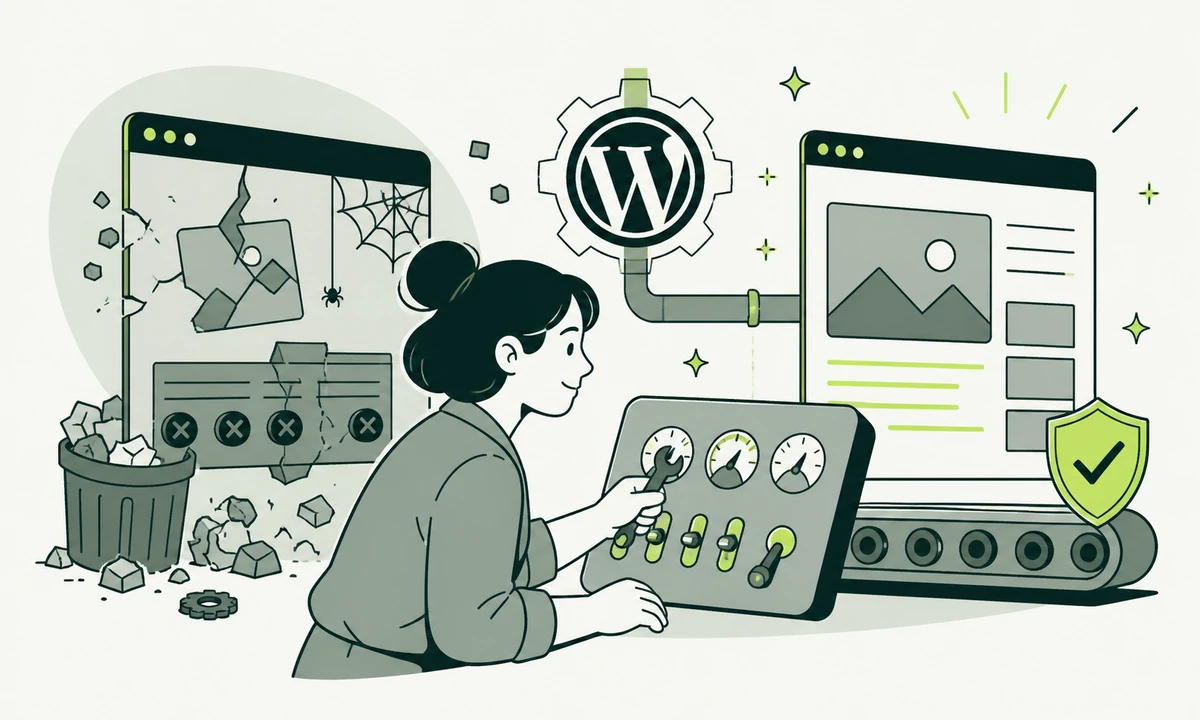
Technical SEO on WordPress: Fixing What the Platform Gets Wrong
WordPress ships several SEO problems as defaults: a page per uploaded image, archives with nothing on them, pagination that splits signals, and two sitemaps that disagree. Each has a specific fix.
Read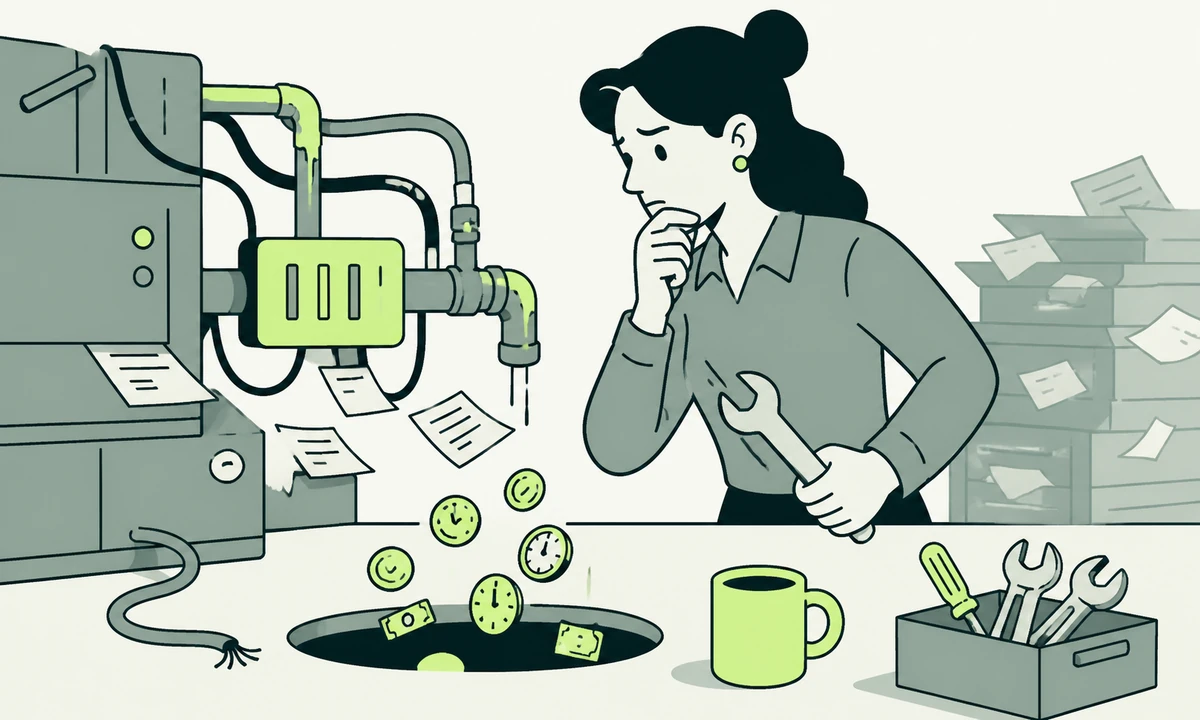
The Standing Cost of an Automation Nobody Owns
Every automation is a small system with running costs: credentials that expire, schemas that drift, failures that stay silent, and one person who understands it. Name an owner, or plan the retirement.
Read
Onboarding: What Should Happen in the First Ten Minutes?
Pick the one action that predicts a second session, then design the first ten minutes backwards from it. Everything that does not move a new account towards that moment can wait.
Read
Distinctiveness Beats Differentiation: Why Looking Different Pays
Differentiation is a claim about what you do. Distinctiveness is whether anyone can tell it is you before they read a word. Most brands fund the first and stay invisible on the second.
Read
Dark Mode: What It Costs and When It Is Worth It
Dark mode design is not a switch. It is a second set of tokens, a second contrast audit, a second image treatment and a second QA pass, and some sites should not take it on.
Read
Rate Limiting, Bots and Forms: Stopping Abuse Without Blocking Buyers
Form spam prevention is a layered problem with one rule: the defences that cost a real buyer the most are usually the ones that stop the least. Start at the server and work outwards.
Read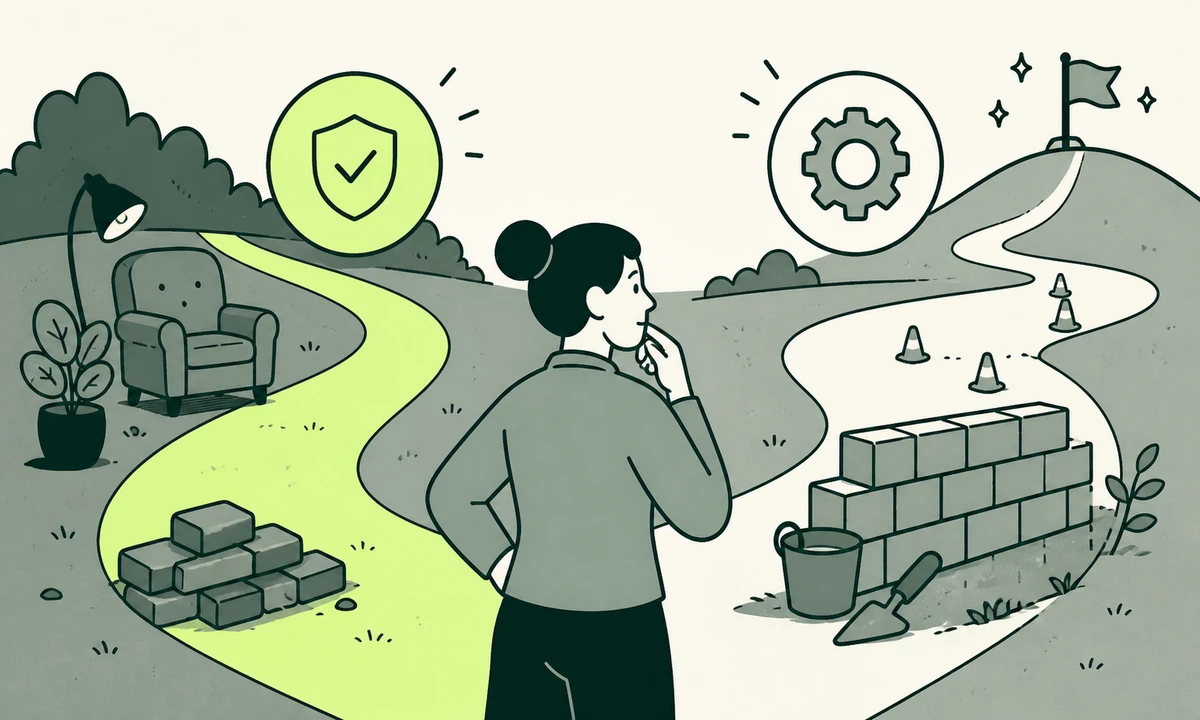
Technical Debt You Should Keep, and Debt You Should Pay Now
Technical debt management fails when every shortcut is treated the same. Some debt sits still and costs nothing for years. Some compounds weekly. Only the second kind deserves a sprint.
ReadPage 10 of 13 — 150 articles in the library.
Rather talk it through
than read about it?
Every engagement starts with a conversation about where your business is going.