

AI & Automation.
Practical writing on brand, growth and technology — and on the connections between them, which is where most of the value hides. No trend-chasing, no filler; frameworks and honest trade-offs, written by the team that does the work.
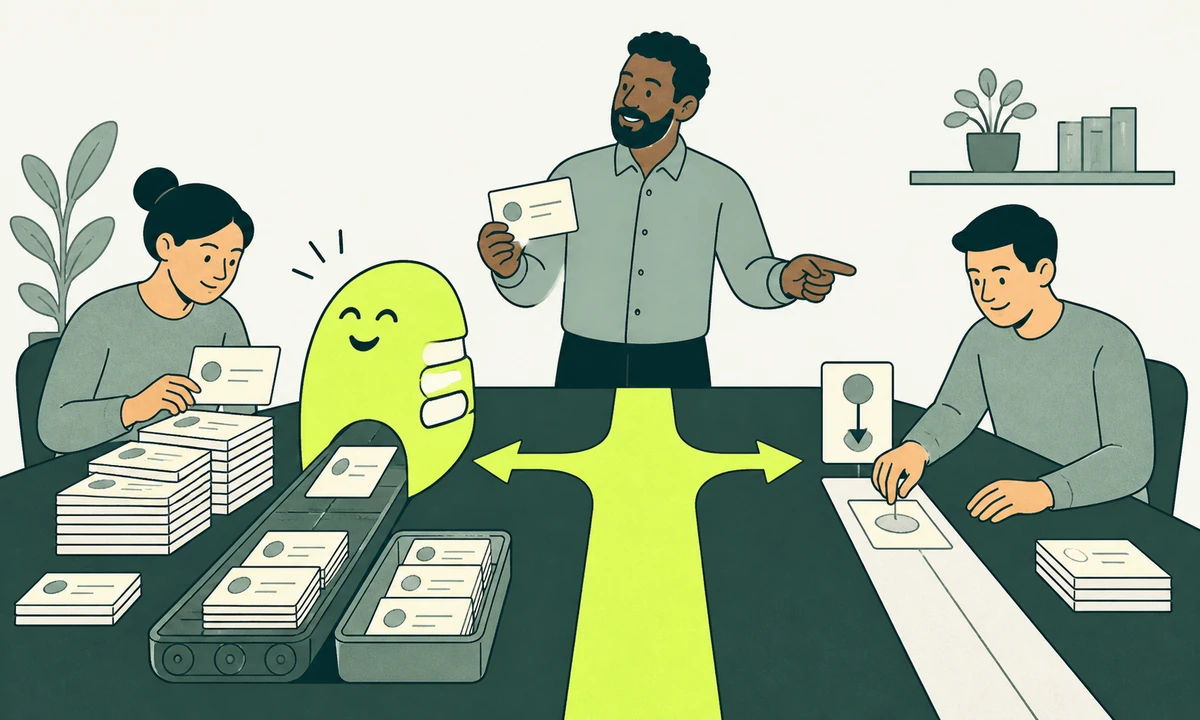
Where Does AI Earn Its Place, and Where Is a Rule Enough?
The default should be the rule. A model earns its place only when the input varies more than you can enumerate, a wrong answer is cheap to catch, and nobody needs the reasoning in writing.
Read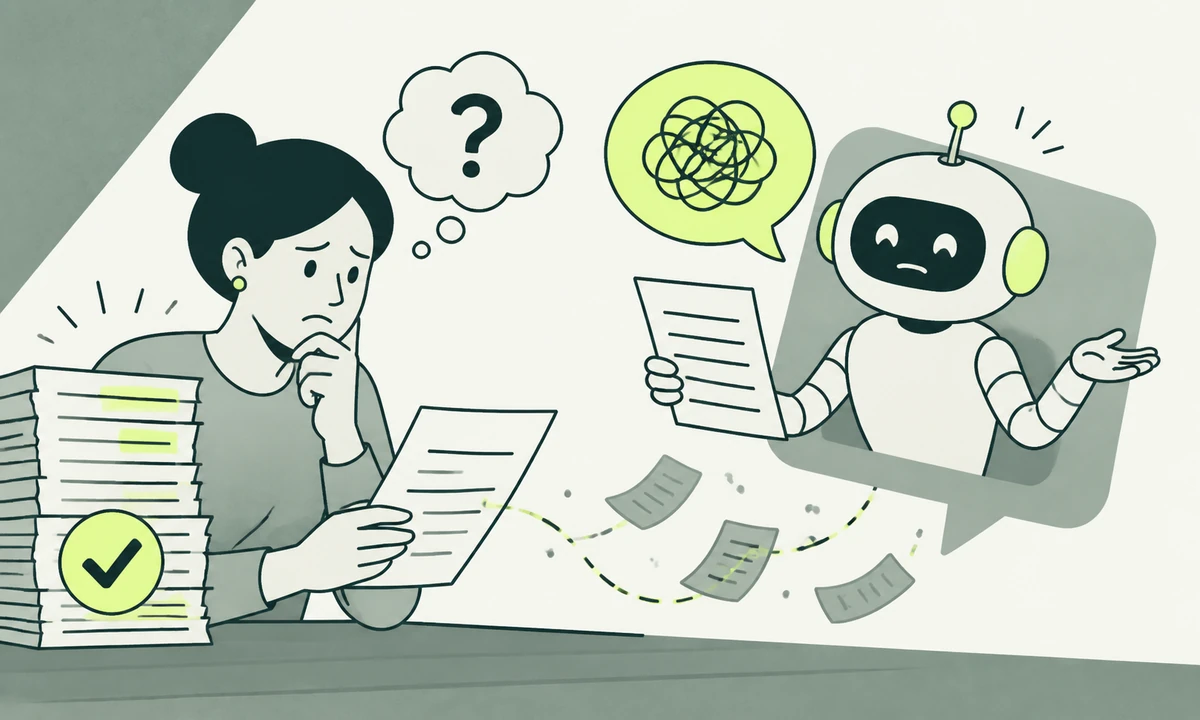
Why Does Your Chatbot Give Wrong Answers When Your Pages Are Correct?
A chatbot gives wrong answers even when every page is correct. The fault is usually retrieval, chunking, staleness or ambiguous source copy, roughly in that order, and the fix is in the content.
Read
How Do You Review AI-Generated Work Before a Client Sees It?
Reviewing AI output is a search problem, not a proofread. The errors cluster in a few predictable places, so order the pass by what it would cost to be wrong and check the confident specifics first.
Read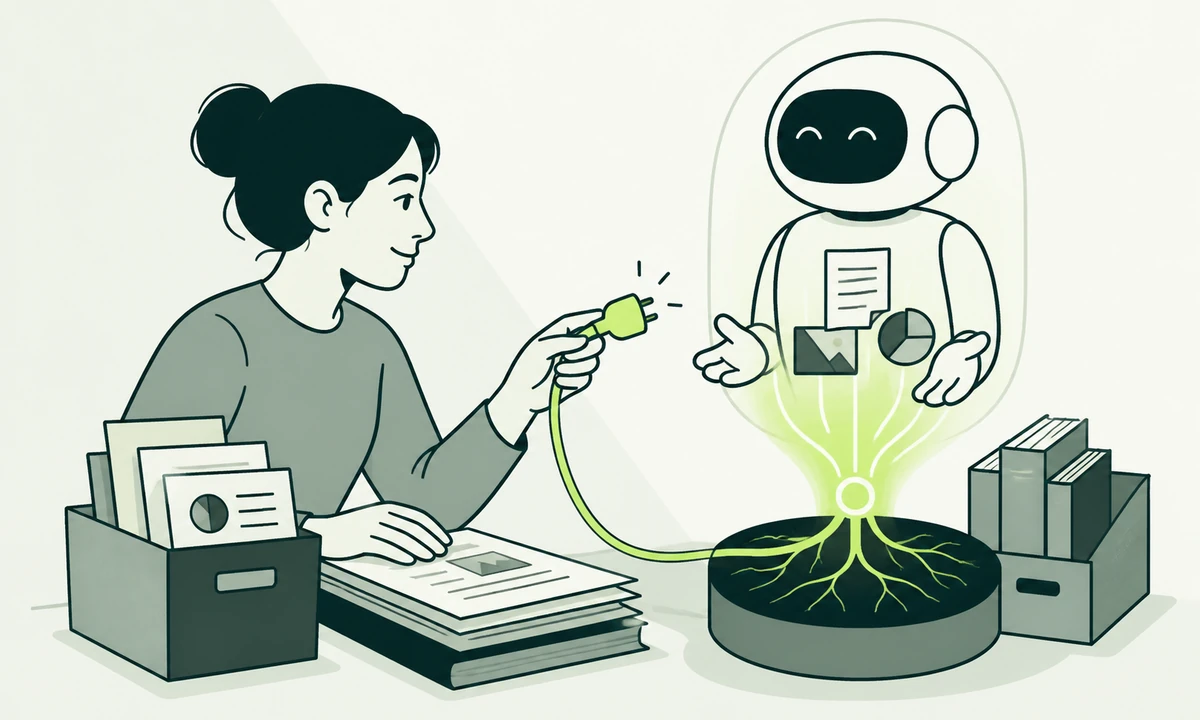
Grounding an Assistant in Your Own Content: What It Takes
A grounded AI assistant answers from pages you own, which means a wrong answer is fixed by editing a page. Getting there is mostly content work, and almost none of it is model work.
Read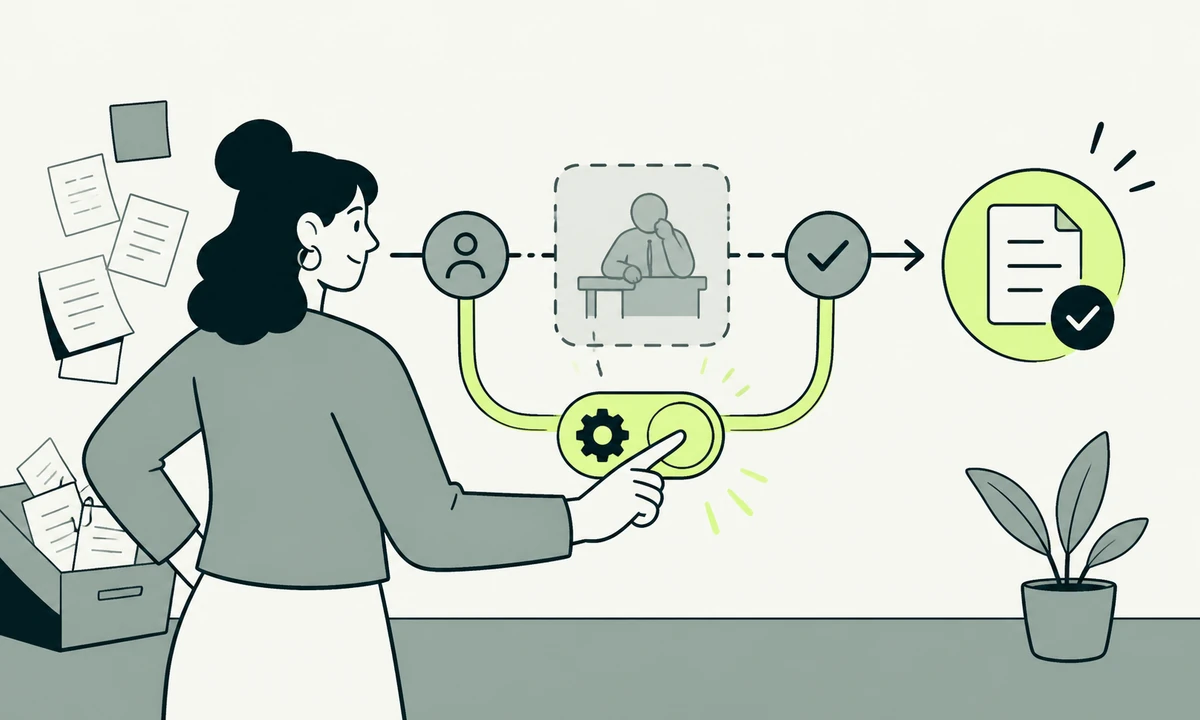
Automation That Removes a Handoff, Not Just Adds a Dashboard
The seam worth automating is a handoff: the moment work stops with one person or system and waits for the next. Everything else adds a screen somebody now has to remember to check.
Read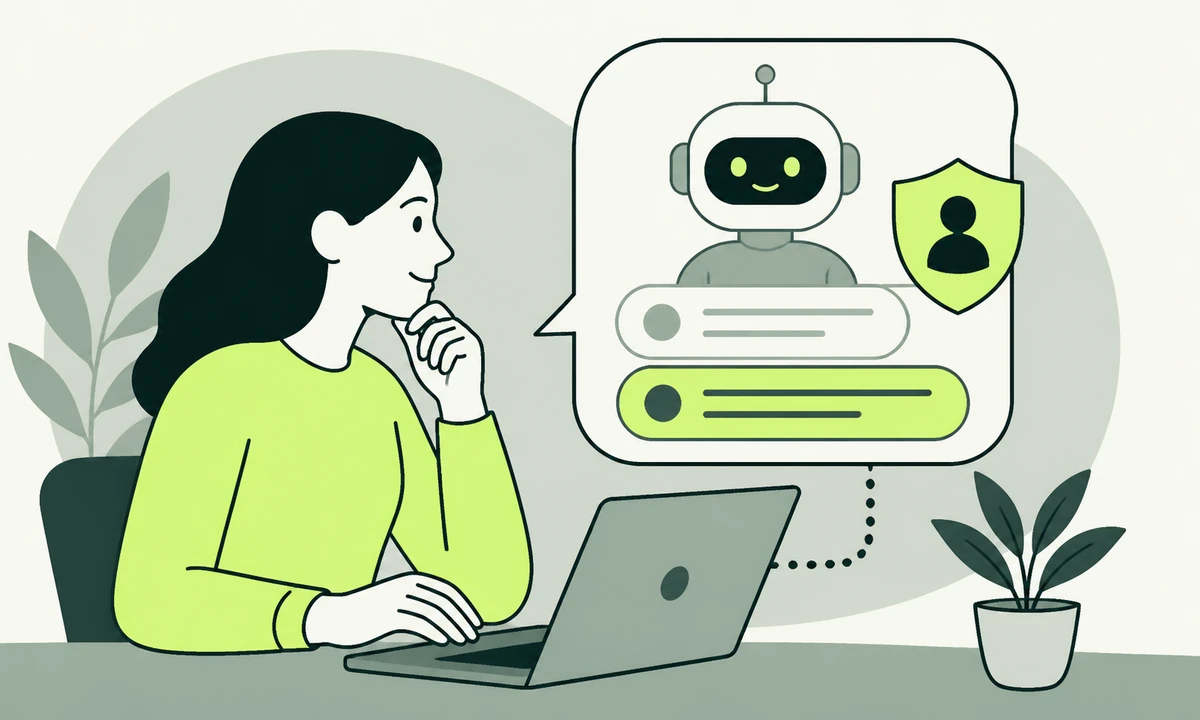
How Should a Chatbot Tell Visitors It Is Not a Person?
Disclosure is not a compliance tax on a chatbot. The wording you pick changes what visitors ask, how much they trust the answer, and whether the handoff to a person ever happens.
Read
What Can You Safely Automate in a Small Team, and What Should Stay Manual?
Most small team automation is decided by what a tool can do. Decide it instead on three things: how often the work happens, whether a mistake can be undone, and who finds out when it quietly stops.
Read
Prompt to Production: Turning an AI Experiment Into a System
A prompt that works is a demonstration. A system is that prompt plus everything you do when it is wrong, and the failure path is the part almost every team leaves until after the first complaint.
Read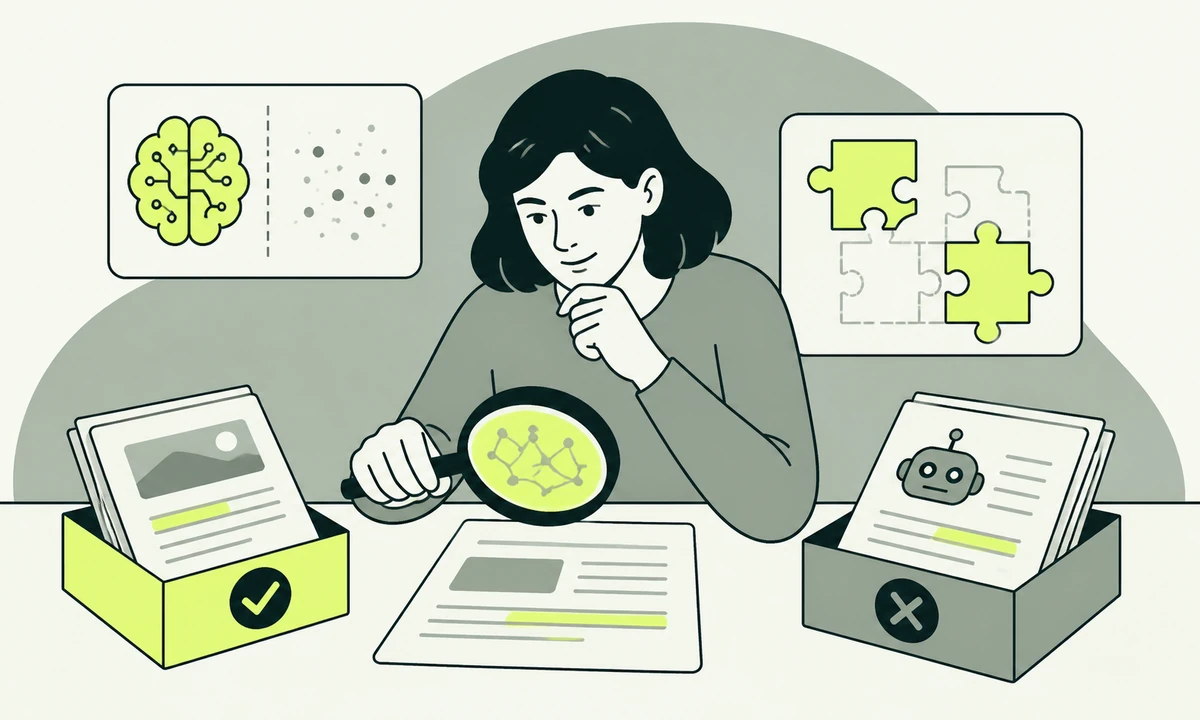
AI Content Detection: What It Catches, What It Misses, and Why It Matters
Detectors are wrong in both directions, and that is not a bug anyone is about to fix. The question worth asking is not who wrote it, but who checked it and who is answerable for it.
Read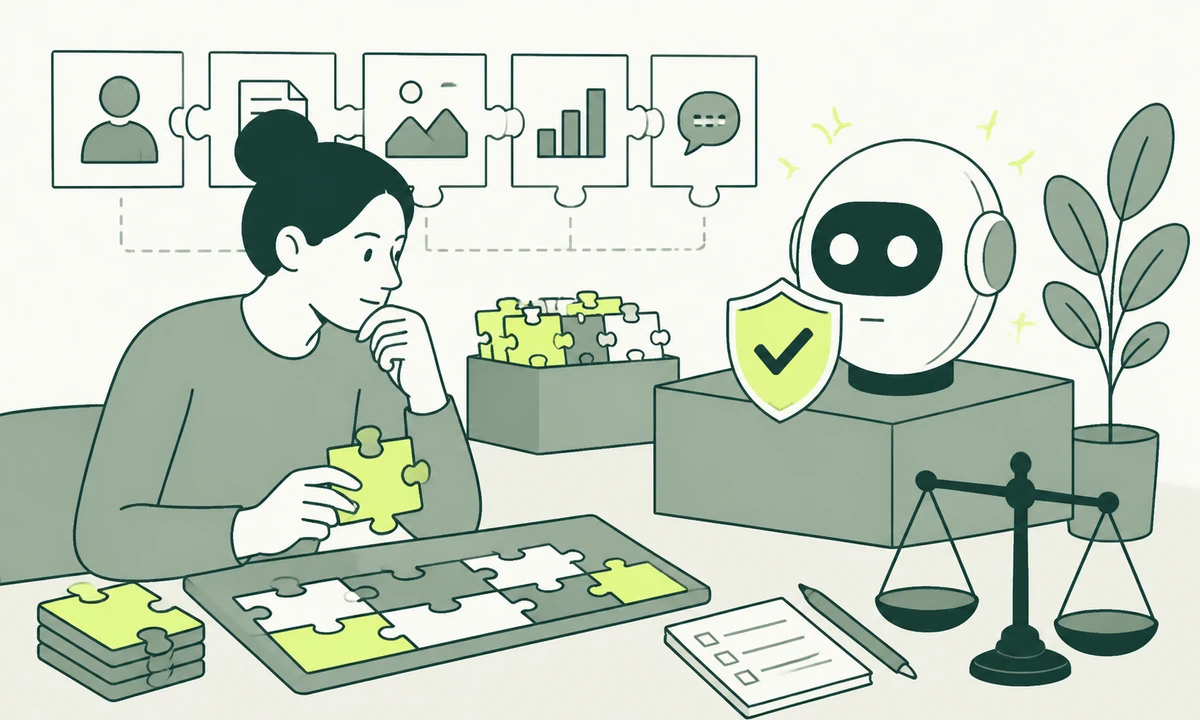
Building an Evaluation Set Before You Trust a Model
A demo tells you the model can succeed once. An evaluation set tells you how often it fails and on what. Build the second one from real inputs before anything you cannot supervise reaches a customer.
Read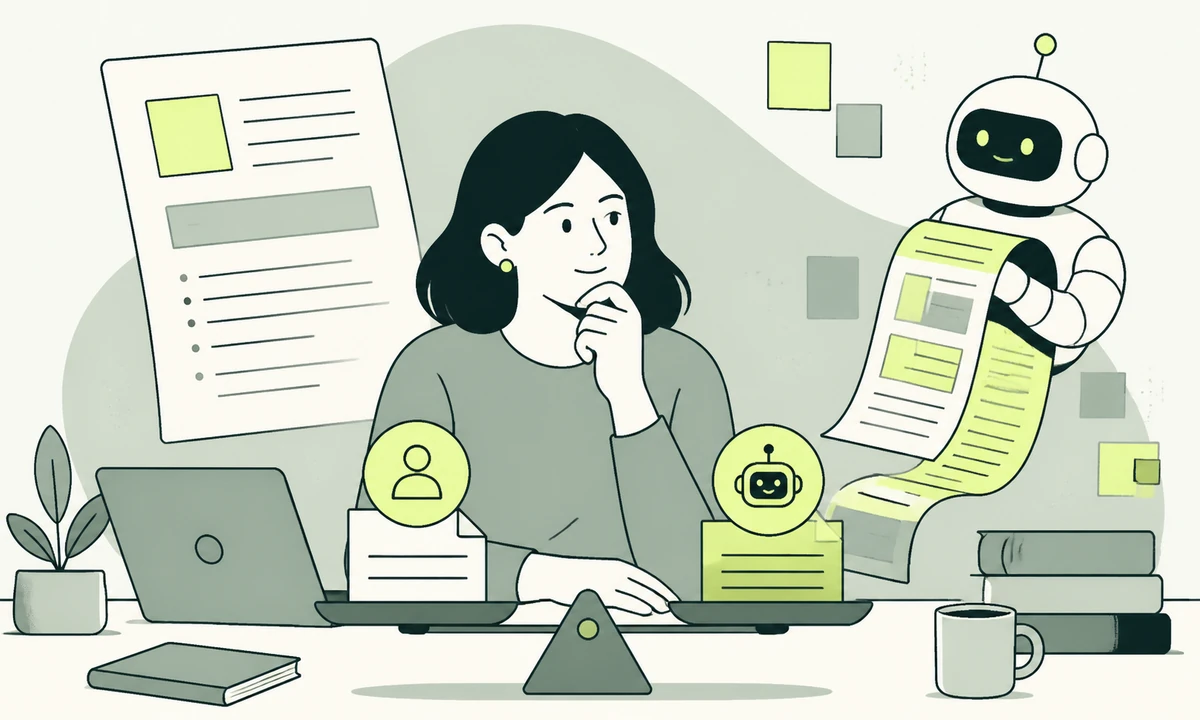
Should AI Write Your Product Documentation?
A model can draft product documentation faster than your team can write it. It cannot vouch for a single sentence. Separate drafting from authority and the question stops being hard.
Read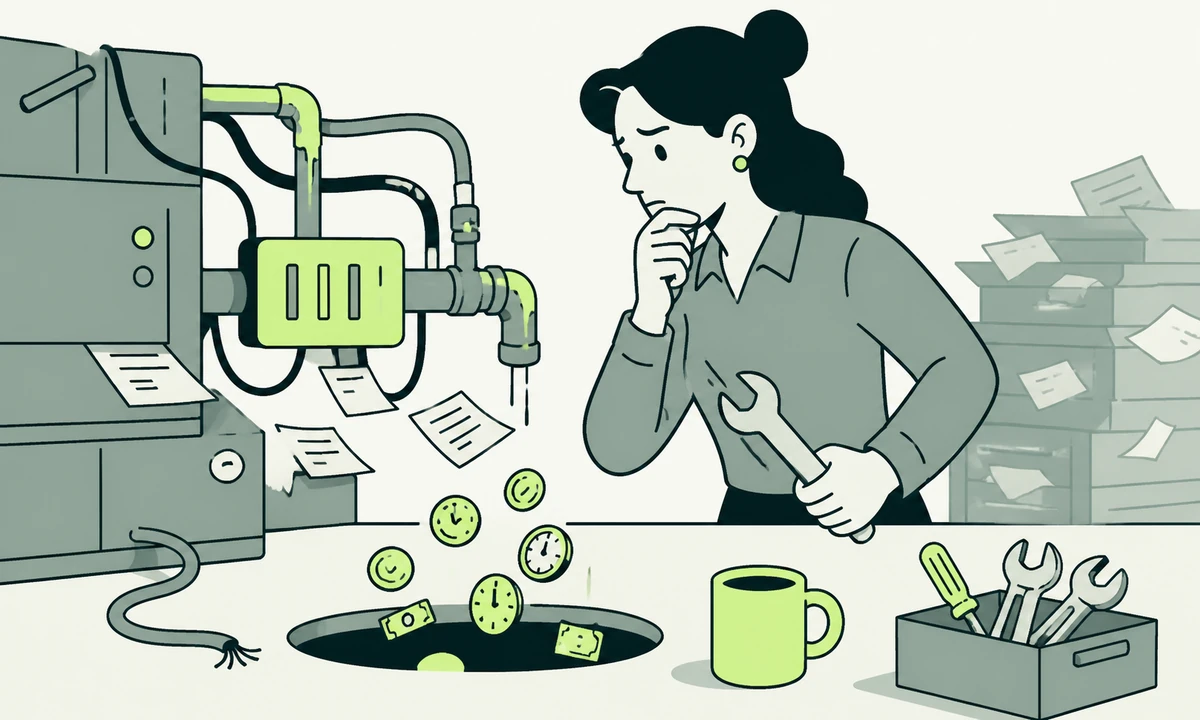
The Standing Cost of an Automation Nobody Owns
Every automation is a small system with running costs: credentials that expire, schemas that drift, failures that stay silent, and one person who understands it. Name an owner, or plan the retirement.
Read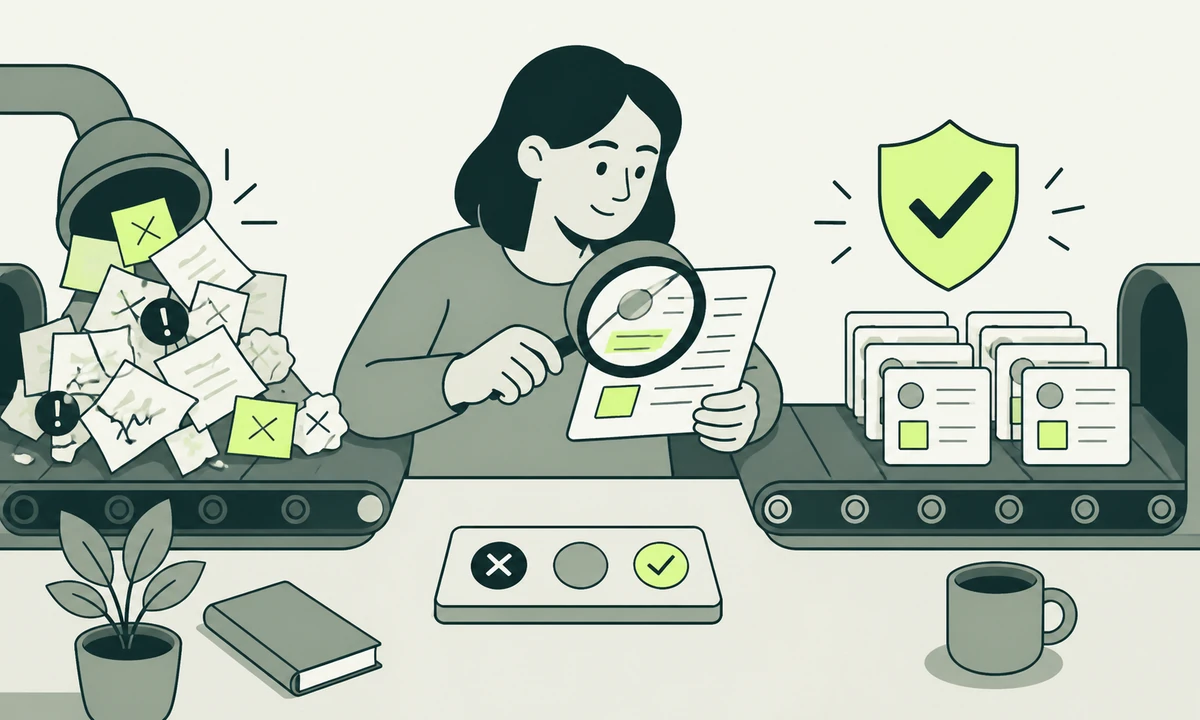
Human in the Loop: Designing the Review Step That Actually Catches Errors
If your reviewer has never rejected anything, you do not have a review step. You have a delay. Sample deliberately, check for one error class at a time, and make saying no cheap.
Read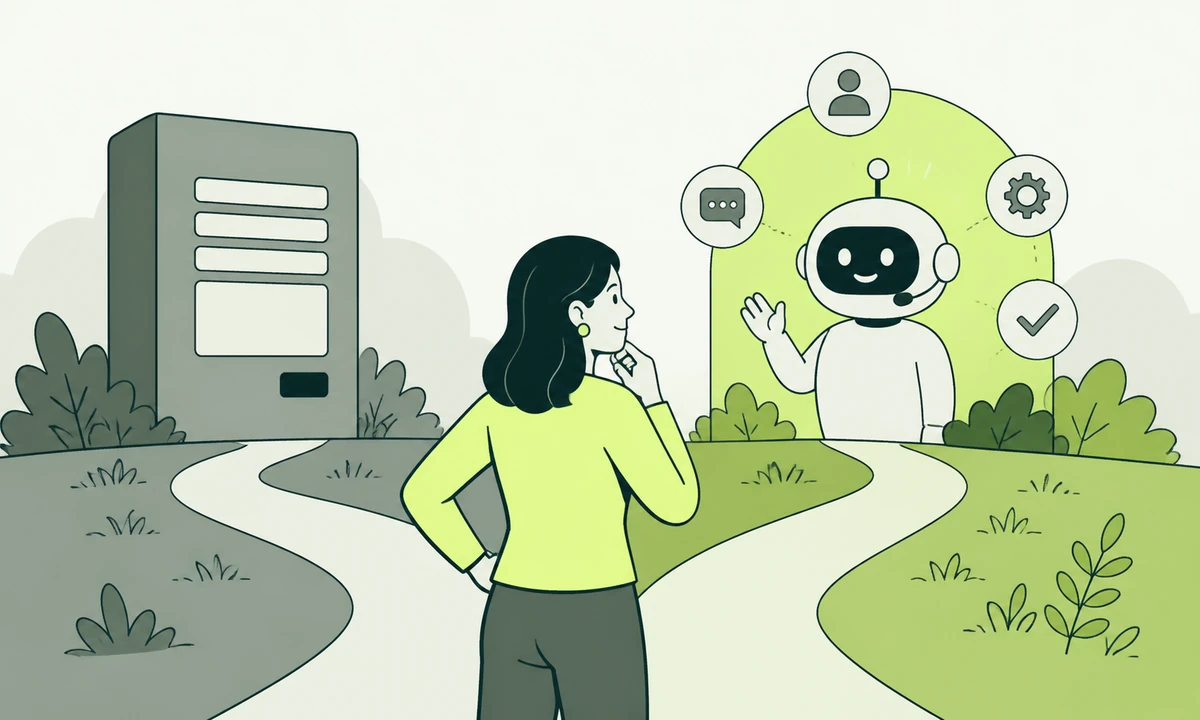
Can an AI Assistant Replace Your Contact Form?
An assistant is good at capturing intent and bad at capturing commitment. Keep both: let the assistant qualify and hand off, and let the form take the record you can act on.
Read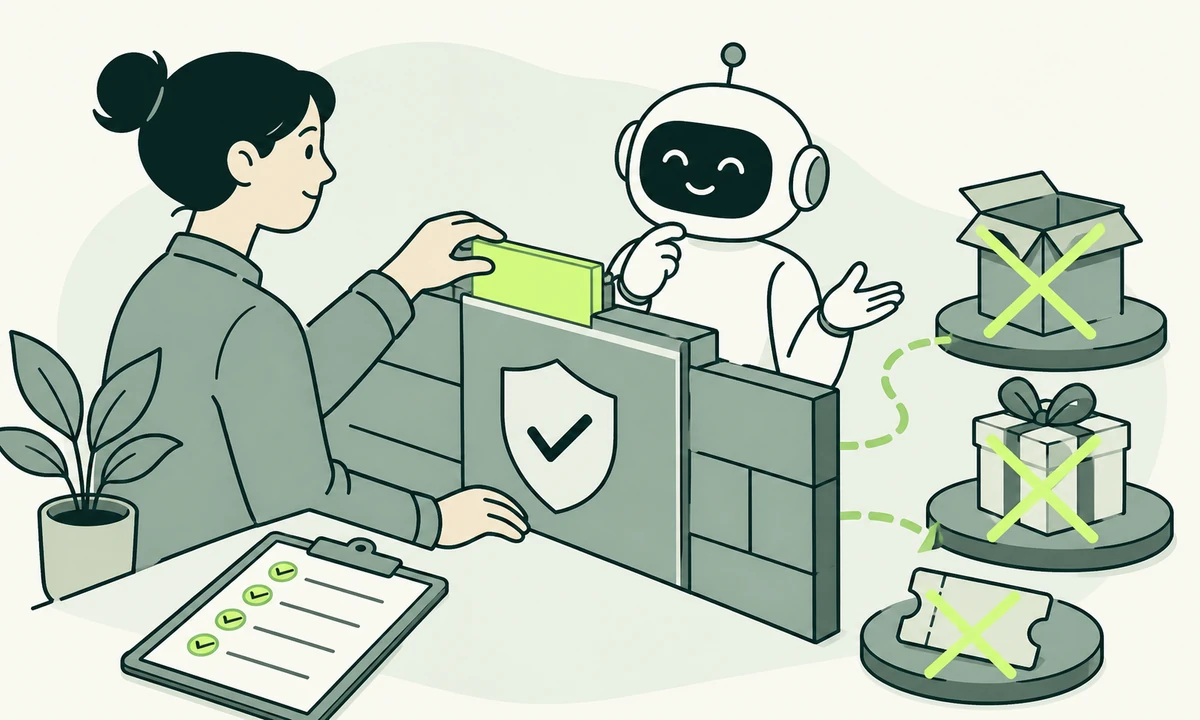
How Do You Keep an AI Assistant From Promising Something You Do Not Sell?
An assistant that invents a service is not hallucinating so much as filling a gap you left. Scope, refusals, published sources and a real escalation path are editorial work before they are technical work.
Read15 articles in AI & Automation.
Rather talk it through
than read about it?
Every engagement starts with a conversation about where your business is going.